
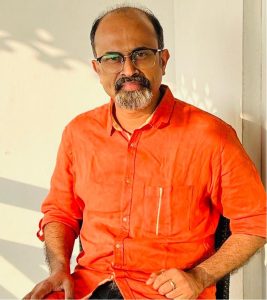
My journey has been one of passion, perseverance, and a deep commitment to making a difference. Born in a small town where opportunities seemed limited, I always had a curiosity about the world around me. As I grew older, this curiosity turned into a driving force that propelled me toward a career that combined both my interests in business and technology. This article will share the story of my career, my personal journey, and the lessons I’ve learned along the way.
Early Life and Education
I was born and raised in a humble household, where my parents emphasized the value of hard work and education. From a young age, I was interested in problem-solving and innovation, often spending hours tinkering with various mechanical gadgets at home. Although my environment did not have many resources, my thirst for knowledge was insatiable. This curiosity about how things worked and how systems operated would later shape my career trajectory.
In school, I excelled in subjects that required logical reasoning—math and science. These subjects piqued my interest and laid the foundation for my future studies. After completing high school, I decided to pursue a degree in Computer Science at a local university. While studying, I quickly realized that technology could be a powerful tool for creating change, and it became clear that this was the path I wanted to follow.
Early Career: The Start of My Professional Journey
After completing my degree, I began my career in the technology sector, where I worked for several startups in varying roles. My first job was at a small company that specialized in developing software solutions for small businesses. It was here that I truly began to understand the intricacies of business operations and how technology could play a pivotal role in driving growth.
The early years were challenging, filled with long hours and a steep learning curve. But the experience was invaluable. I learned how to work in teams, manage deadlines, and solve problems under pressure. During this time, I also began to build relationships with like-minded professionals, many of whom would later become collaborators in various projects throughout my career.
As I gained more experience, I realized that I was deeply interested in the intersection of business and technology. This led me to explore opportunities in project management and business strategy. I wanted to understand not just how technology worked but also how businesses could leverage it to grow and succeed.
Transition to Leadership: Building a Career in Business Strategy
It was in the next phase of my career that I truly began to find my footing. I took on a leadership role at a mid-sized tech firm where I was tasked with managing client relationships and driving the company’s business development efforts. In this role, I was able to combine my technical knowledge with strategic thinking, helping clients understand how technology could transform their businesses.
As I worked closely with clients, I realized that my passion lay in helping businesses solve complex problems using technology. This realization pushed me to pursue further education in business strategy. I enrolled in an executive program that focused on strategic management and leadership in technology-driven industries. This program opened my eyes to the broader scope of business management and solidified my desire to take on larger, more impactful roles.
A Shift Toward Entrepreneurship: Founding My Own Ventures
After several years of working in corporate settings, I decided it was time to venture out on my own. In 2015, I founded my first startup—a tech consulting firm focused on helping small businesses integrate technology into their operations. The idea came from the many conversations I had with business owners who struggled to understand how to use technology to drive efficiency and growth. I saw an opportunity to bridge the gap between tech and business and decided to take the leap.
The startup phase was both exhilarating and nerve-wracking. I was responsible for everything—from managing clients to overseeing the day-to-day operations. But the challenge was what kept me going. Over time, the firm gained traction, and we were able to build a solid client base. I learned that entrepreneurship requires resilience, adaptability, and a willingness to take risks.
As the business grew, I expanded into other areas, including product development and marketing. I knew that for the company to succeed, I had to continue innovating and diversifying our services. In 2018, I pivoted to offer digital transformation services, which became a key growth driver for the company.
The Importance of Mentorship and Continuous Learning
Throughout my career, I have always believed in the power of mentorship and continuous learning. Early on, I sought out mentors who could guide me and help me navigate the complexities of both business and technology. I’ve been fortunate to learn from some of the best in the industry, and their advice has been invaluable. I also made it a point to mentor others, sharing my experiences and insights with the next generation of leaders and entrepreneurs.
In addition to mentorship, I’ve always made learning a priority. The world of technology is constantly evolving, and to stay ahead, it’s crucial to keep learning. Whether through formal education or self-study, I’ve always tried to stay at the cutting edge of developments in the field. This commitment to learning has not only helped me grow as a leader but has also enabled me to keep my business relevant in a fast-paced industry.
My Career Journey
| Year | Role/Company | Key Focus Areas | Achievements |
|---|---|---|---|
| 2010-2012 | Tech Startup (Junior Developer) | Software Development, Client Relationships | Gained foundational technical skills |
| 2013-2015 | Mid-sized Tech Firm (Project Manager) | Business Development, Project Management, Strategy | Led successful client projects, managed teams |
| 2015-2018 | Founder, Tech Consulting Firm | Startup Management, Client Consulting, Digital Transformation | Grew firm, pivoted to digital transformation |
| 2018-Present | Founder, Digital Transformation Firm | Business Strategy, Product Development, Leadership | Expanded firm’s services, scaled business |
Transitioning to Leadership: Overcoming the Challenges of Scaling
Scaling a business comes with a unique set of challenges, especially when you’re shifting from a small operation to a larger enterprise. As my tech consulting firm began to grow, I found myself wearing many hats—sales, operations, marketing, and customer service. While this was an exciting period, it was also overwhelming. The bigger the company grew, the more responsibilities I had to juggle.
One of the major challenges I faced was building a strong, cohesive team. Initially, I hired people based on their technical skills alone, but I soon realized that in a growing company, skills alone wouldn’t cut it. As a leader, I needed to focus on assembling a team that was aligned with the company’s values and vision. I began to prioritize hiring individuals who were not only highly skilled but also shared a passion for the company’s mission and culture.
System State – Hiring and Team Building:
In the early stages, I had to make some tough decisions about who to bring on board. I established a recruitment process that involved not only technical assessments but also behavioral interviews to ensure cultural fit. I wanted to build a team of diverse thinkers, each of whom would contribute unique perspectives. This allowed us to be more adaptable and innovative, qualities that were essential as we started to scale.
Behavioral Effect – Team Dynamics:
With the right people in place, the culture of collaboration began to take root. Employees started working more effectively together, contributing ideas freely and taking ownership of their tasks. We no longer operated as a small team; we became a collective that was capable of solving larger, more complex problems.
The system of building a strong, capable team had a direct effect on our output. Instead of facing constant firefighting, we were able to address challenges proactively and focus on long-term growth. With the team empowered and motivated, I saw how essential it was to provide clear goals and ensure that everyone understood their role in the company’s vision.
Scaling Operations: The Push Toward Digital Transformation
By 2018, my firm had outgrown its initial role as a tech consultant for small businesses. I knew that to continue growing, we needed to evolve and adapt to the demands of the market. The world was becoming increasingly digital, and businesses needed more than just technical solutions—they needed digital transformations that would allow them to remain competitive in an ever-changing environment.
To make this shift, I decided to pivot the business to focus on digital transformation services. This meant helping our clients adopt new technologies, implement data-driven decision-making, and reimagine their business models to stay ahead of industry trends. It wasn’t just about offering a product; it was about changing the way our clients operated.
System State – Shifting to Digital Transformation:
This pivot required a complete overhaul of our internal processes. We invested heavily in R&D to understand emerging technologies like cloud computing, artificial intelligence, and machine learning. We also redefined our service offerings to ensure that we could guide our clients through every stage of their transformation journey—from initial strategy to full implementation.
Behavioral Effect – Client Relationships:
This strategic pivot shifted the way we interacted with our clients. Instead of being just a vendor, we positioned ourselves as trusted advisors, helping clients understand how to leverage technology to solve their most pressing business challenges. This change was met with enthusiasm from our existing clients, who appreciated our ability to provide more comprehensive solutions. Our client relationships became more long-term, and the trust we had built over the years was reinforced by our new approach.
Overcoming Financial and Market Pressures
While scaling the business and making the pivot to digital transformation was exciting, it also came with a great deal of pressure. One of the hardest aspects of growing a business is managing cash flow, especially when investing in new services and hiring more staff. In the early years, we faced several cash flow challenges, and there were moments when I had to make difficult decisions to ensure the business remained financially viable.
At one point, I considered taking on external investors to help fund our growth, but I realized that maintaining control of the company was essential for my long-term vision. Instead, I chose to focus on increasing revenue through our existing client base and finding efficiencies within our operations. This decision was challenging, but it forced us to be more resourceful and creative with our financial management.
System State – Financial Strategy:
I implemented a tighter financial control system that allowed us to better track expenses and cash flow. I also focused on improving our invoicing and payment collection processes to ensure that we had a steady stream of income. By carefully managing our finances, we were able to weather the tough periods and continue investing in the business.
Behavioral Effect – Resilience and Focus:
The financial challenges had a significant impact on my leadership style. I became more focused on making data-driven decisions and ensuring that every dollar we spent was tied to a clear return on investment. This focus on financial discipline allowed us to become more resilient during tough times, and it reinforced the importance of planning for the long term rather than focusing on short-term gains.
Expansion and New Markets
With the business now firmly established, we began to explore new markets. In 2020, I expanded our services internationally, targeting businesses in emerging markets that were beginning to see the potential of digital transformation. This move opened up new opportunities and allowed us to diversify our client base, ensuring that we were less reliant on any single market.
Expanding into new markets wasn’t without its challenges. We had to adapt our offerings to meet the unique needs of these markets, and we had to navigate the complexities of operating in different regulatory environments. However, the experience was incredibly rewarding. It reinforced my belief that continuous adaptation and learning are the keys to sustained growth.
Key Milestones in My Career
| Year | Role/Company | Key Focus Areas | Achievements |
|---|---|---|---|
| 2015-2018 | Founder, Tech Consulting Firm | Client Consulting, Digital Transformation | Pivoted to digital transformation, grew client base |
| 2018-2020 | Founder, Digital Transformation Firm | Strategy, Product Development, International Expansion | Expanded into new markets, diversified revenue streams |
| 2020-Present | CEO, Digital Transformation Company | Business Strategy, Leadership, Global Expansion | Scaled business globally, enhanced service offerings |
Key Lessons Learned Along the Way
One of the most valuable aspects of my career has been the continuous learning process. While the professional skills I’ve gained have been crucial, I’ve come to understand that the most important lessons are often the ones that aren’t taught in textbooks. Here are some of the lessons that have shaped my approach to business and leadership.
1. Embrace Change, Don’t Resist It
The world of technology is constantly changing, and as a business leader, I’ve learned that resisting change is one of the fastest ways to fall behind. When I first started, the tech industry was rapidly evolving, and the pressure to keep up with new trends was immense. However, over the years, I learned to view change as an opportunity rather than a threat.
This mindset shift was especially evident during our pivot to digital transformation. We were stepping into a competitive space, and many of our competitors were already established players. Yet, I believed that by embracing new technologies and adapting our services, we could not only keep up but lead the way. As a result, our firm was able to position itself as a trusted advisor in the digital transformation space, rather than just another technology provider.
2. Lead with Empathy and Emotional Intelligence
As a leader, it’s not enough to just be technically proficient or have a good understanding of business strategy. The ability to lead with empathy and emotional intelligence is what truly sets great leaders apart. I learned this lesson early in my career, particularly when managing teams in high-pressure environments.
Empathy allows you to understand the challenges your team members face and to provide the support they need to succeed. By listening to their concerns, offering constructive feedback, and creating a work environment that encourages open communication, I found that my team was more engaged, motivated, and loyal. This ultimately led to better collaboration and, in turn, better results for the business.
3. Don’t Be Afraid to Fail
Failure is a natural part of the entrepreneurial journey, but it’s easy to let fear of failure hold you back. Early on, I was hesitant to take risks because I was afraid of failing, but I soon realized that failure is simply a stepping stone to success. Every failure provided me with valuable insights that I could apply to future decisions.
For example, during the early days of my startup, we faced several setbacks—some of our early projects didn’t meet client expectations, and there were moments when we struggled with cash flow. However, instead of letting these failures define us, we used them as learning experiences. We adapted our approach, refined our processes, and eventually emerged stronger and more resilient. I’ve come to appreciate failure as a necessary part of growth and success.
4. The Importance of Building Strong Relationships
Business isn’t just about what you know; it’s also about who you know. Building strong relationships with clients, partners, mentors, and colleagues has been one of the key factors in my success. Early on, I made it a point to network and connect with individuals who shared my vision and values.
These relationships have been invaluable, not just for business development but also for personal growth. I’ve learned from the experiences of others and, in turn, have been able to mentor and support the next generation of entrepreneurs. The power of a strong network cannot be underestimated—it’s often the relationships you build along the way that provide the foundation for long-term success.
The Impact I Hope to Make
Ultimately, the impact I want to make is one that extends beyond business success. I hope to inspire others to pursue their passions, embrace change, and lead with empathy. Through my work, I want to show that business can be both profitable and responsible, and that technology can be a powerful force for good.
Whether it’s helping small businesses grow, driving innovation in sustainable practices, or supporting the next generation of leaders, I am committed to making a meaningful difference in the world of technology and beyond.
Milestones and Future Goals
| Year | Milestone / Goal | Key Focus Areas | Future Plans |
|---|---|---|---|
| 2015-2018 | Founder, Tech Consulting Firm | Digital Transformation, Client Consulting | Scale firm, focus on digital solutions for SMEs |
| 2018-2022 | Pivot to Digital Transformation Firm | Cloud Computing, AI, Business Strategy | Expand globally, partner with tech innovators |
| 2022-Present | CEO, Digital Transformation Company | Innovation, Leadership, Sustainability | Focus on sustainable innovation and mentoring |
| 2025 | Mentor, Next Generation Leaders | Leadership Development, Tech Innovation | Establish mentorship programs for tech professionals |
New Mission: Technology for Social Good
In the past few years, I have become increasingly focused on using technology to address global challenges. While developing my business, I encountered an important question: how can we use innovation to not only generate profit but also create positive change in the world? The world is facing numerous issues, from climate change to social inequality, and I believe that technology can be an essential tool in solving these problems.
In 2020, I launched an initiative aimed at supporting startups that focus on sustainability and green technologies. The goal was to back projects that could optimize industrial processes, reduce carbon emissions, and improve environmental outcomes. The program has already yielded several significant projects, including software solutions designed to enhance energy efficiency in large-scale industrial companies. I have seen firsthand how technology can contribute to sustainable development, and this has become a key motivator in my ongoing career.
New Horizons: Helping Small and Medium Businesses Thrive
Despite the success of my ventures, I have always believed that the backbone of any economy lies in small and medium-sized businesses (SMBs). As a leader in the tech sector, I want to make sure that these businesses have access to the tools they need to grow and succeed. I believe that SMBs are often overlooked in terms of technology support, and this is an area where I want to make a difference.
My current project involves creating a platform that enables small and medium-sized enterprises to easily implement technology solutions. This project will provide not only consulting services but also specialized software to automate business processes, manage supply chains, and streamline financial operations. My mission is to help these businesses compete in a digital-first world by offering affordable and scalable tech solutions.
Mentorship: Sharing Knowledge and Supporting Future Leaders
Mentorship has always been a core component of my professional journey. Throughout my career, I have had the privilege of learning from some of the most accomplished individuals in the industry, and now I aim to pass on that knowledge to others. I firmly believe that investing in the next generation of leaders is one of the most impactful ways to contribute to the future of any industry.
In 2022, I launched a mentorship program designed to guide aspiring entrepreneurs and tech professionals. This program offers young leaders practical advice, career coaching, and access to valuable networks. The goal is to help them avoid the mistakes I made early in my career and fast-track their success. By providing guidance and support, I aim to nurture the next wave of innovators and entrepreneurs.
Working in the International Arena: Exploring Global Opportunities
While I have spent much of my career working in local markets, I quickly realized the immense potential that lies in global expansion. In 2021, I began focusing on international business ventures, specifically targeting emerging markets where businesses are just beginning to realize the potential of digital transformation. This move opened up new opportunities and allowed me to diversify my client base, ensuring that we were not reliant on any single market.
Expanding into international markets presented its own set of challenges. We had to adapt our offerings to meet the unique needs of these markets, and we navigated the complexities of operating in different regulatory environments. However, the experience was incredibly rewarding. It reinforced my belief that continuous adaptation and learning are the keys to sustained growth.
The Role of Technology in Solving Global Problems
I’ve always been passionate about using technology as a force for good. Over the past few years, I’ve seen how technological solutions can address some of the world’s most pressing issues. From climate change to healthcare, technology has the potential to make a significant difference. Whether it’s improving access to clean energy or enhancing healthcare delivery, innovation is essential for overcoming global challenges.
I am particularly excited about the opportunities to use technology to create sustainable solutions. Whether it’s through the development of energy-efficient systems or helping businesses transition to more sustainable practices, I believe that the future of technology must be aligned with sustainability. As I continue to work on these projects, I am more convinced than ever that technology can be a powerful tool in shaping a better future.
My Vision for the Future
Looking ahead, I am filled with optimism about the future of technology and the role it will play in addressing the world’s most urgent issues. I remain committed to empowering small and medium-sized businesses, driving innovation in sustainable practices, and mentoring the next generation of leaders. However, my vision extends beyond business success—I want to create a lasting impact on the world by leveraging the power of technology for the greater good.
1. Empowering Small Businesses with Technology
I am particularly passionate about helping small and medium-sized businesses adopt the latest technological innovations. Many SMBs struggle to keep up with the pace of change, and I want to make it easier for them to implement digital solutions that can drive growth and efficiency. In the future, I plan to focus on providing affordable technology solutions that can be easily integrated into businesses of all sizes.
2. Leading Sustainable Innovation
Sustainability is a central theme in my vision for the future. As technology continues to evolve, it’s essential that we use it in ways that benefit the planet and society. My goal is to lead efforts in sustainable innovation, particularly in industries such as energy, agriculture, and manufacturing. By integrating green technologies and promoting responsible practices, I hope to make a meaningful impact on the environment.
3. Building a Global Network of Innovators
I also aim to build a global network of innovators who share my commitment to using technology for good. By fostering collaboration and creating platforms for knowledge exchange, I believe we can accelerate progress in fields like sustainable development, digital transformation, and social impact. I envision a world where technology serves as a unifying force, connecting people and organizations working toward common goals.
The Impact I Hope to Make
Ultimately, the impact I want to make is not just in the businesses I build or the products I create, but in the way I contribute to society. I hope to inspire others to use technology as a force for positive change, to think about the long-term consequences of innovation, and to embrace the responsibility that comes with creating solutions that can affect millions of lives.
Whether through empowering small businesses, leading the charge for sustainable innovation, or mentoring the next generation of leaders, my goal is to make a lasting impact on the world. I believe that through collaboration, resilience, and a commitment to social good, we can create a brighter future for all.